
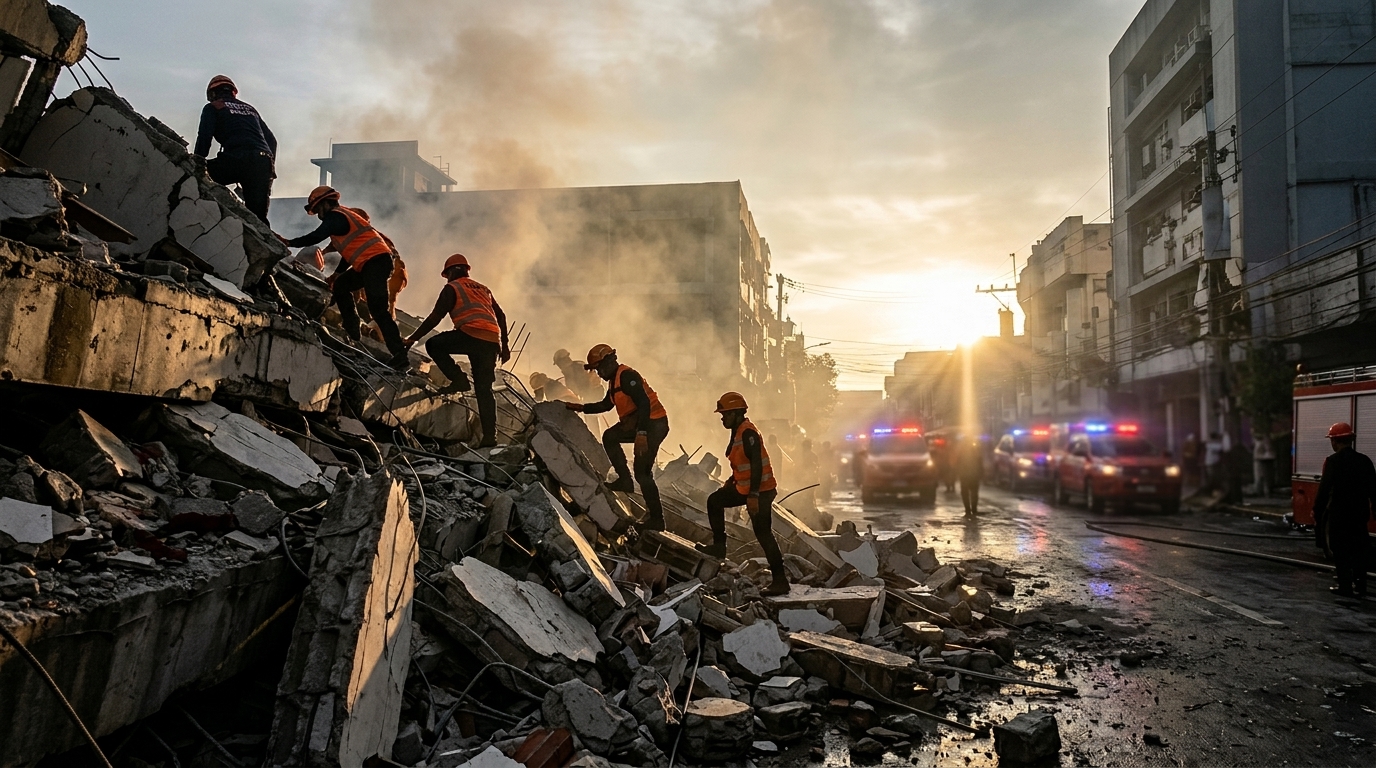
The earthquake struck in the early hours of June 8, 2026, while most of southern Mindanao was still sleeping. At 7:37 in the morning local time, a magnitude 7.8 tremor — centered offshore near Sarangani province, about 32 kilometers west of the town of Maasim — sent violent shaking through one of the Philippines' most densely populated regions.
The Philippines sits on the Pacific Ring of Fire, one of the most seismically active regions on earth, and its residents have lived with the reality of earthquakes for generations. But a 7.8 magnitude event is at the severe end of the scale, and the damage it caused in General Santos City and surrounding provinces was extensive.
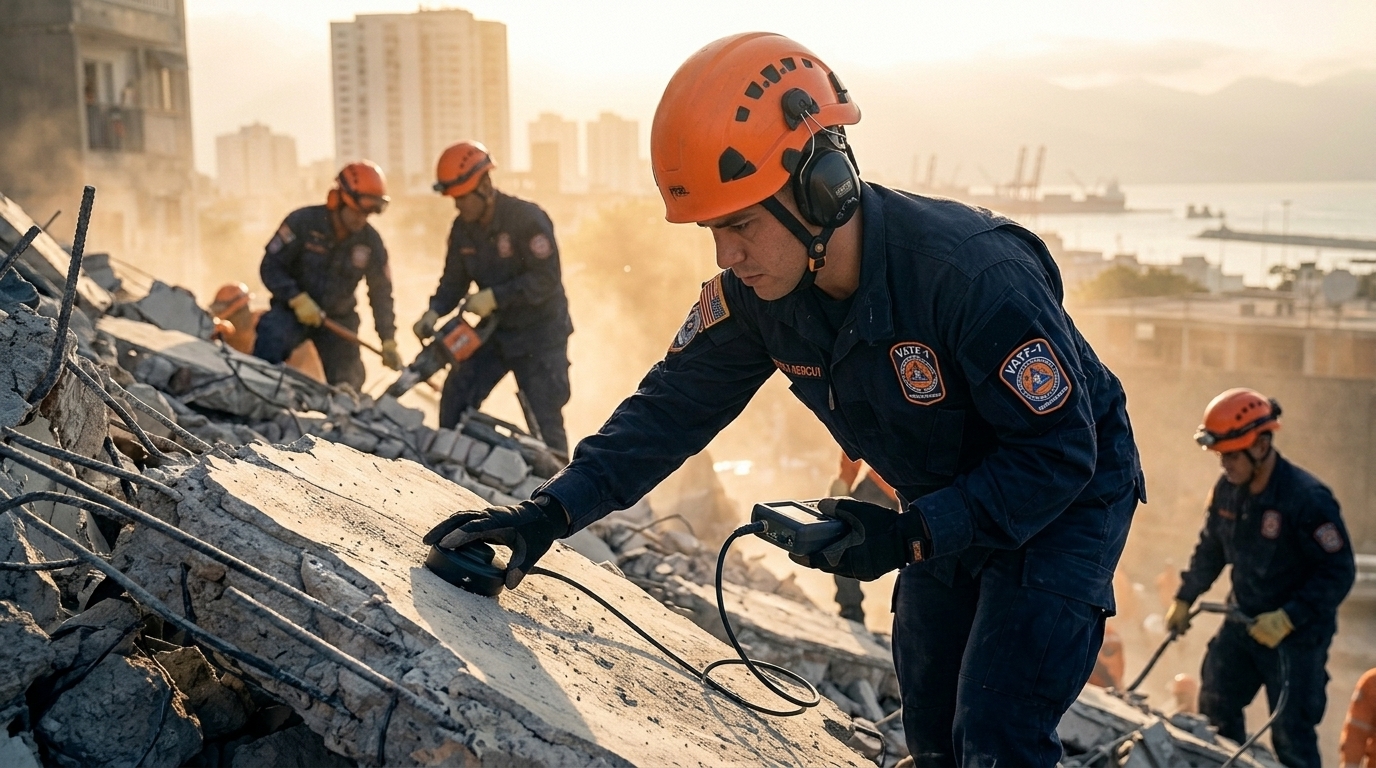
In General Santos, a commercial hub of around 700,000 people, buildings collapsed or were severely damaged. A popular restaurant was reduced to rubble. Hospitals sustained structural damage. Roads cracked and buckled, hampering the movement of emergency vehicles. Thousands of residents fled their homes, unsure whether aftershocks might bring down the structures they had survived in.
The earthquake also triggered a one-meter tsunami that swept into at least one coastal village in Sarangani province, adding flooding damage on top of the structural destruction from the shaking. Smaller waves were detected as far away as Indonesia, Palau, and southern Japan — a measure of just how much energy the earthquake released.
The landslide in Sarangani province, triggered by the violent shaking, was among the deadliest elements of the disaster. Thirteen villagers were killed when a hillside gave way, burying homes and residents who had no warning and nowhere to run.
The timing of the earthquake — on the first day of the new school year — added a layer of tragedy. Children were just arriving at schools when the shaking began, and several school buildings sustained significant damage. Fortunately, many children were still arriving rather than already inside when structures failed, but the scene of terrified students and teachers evacuating collapsed buildings was heartbreaking.
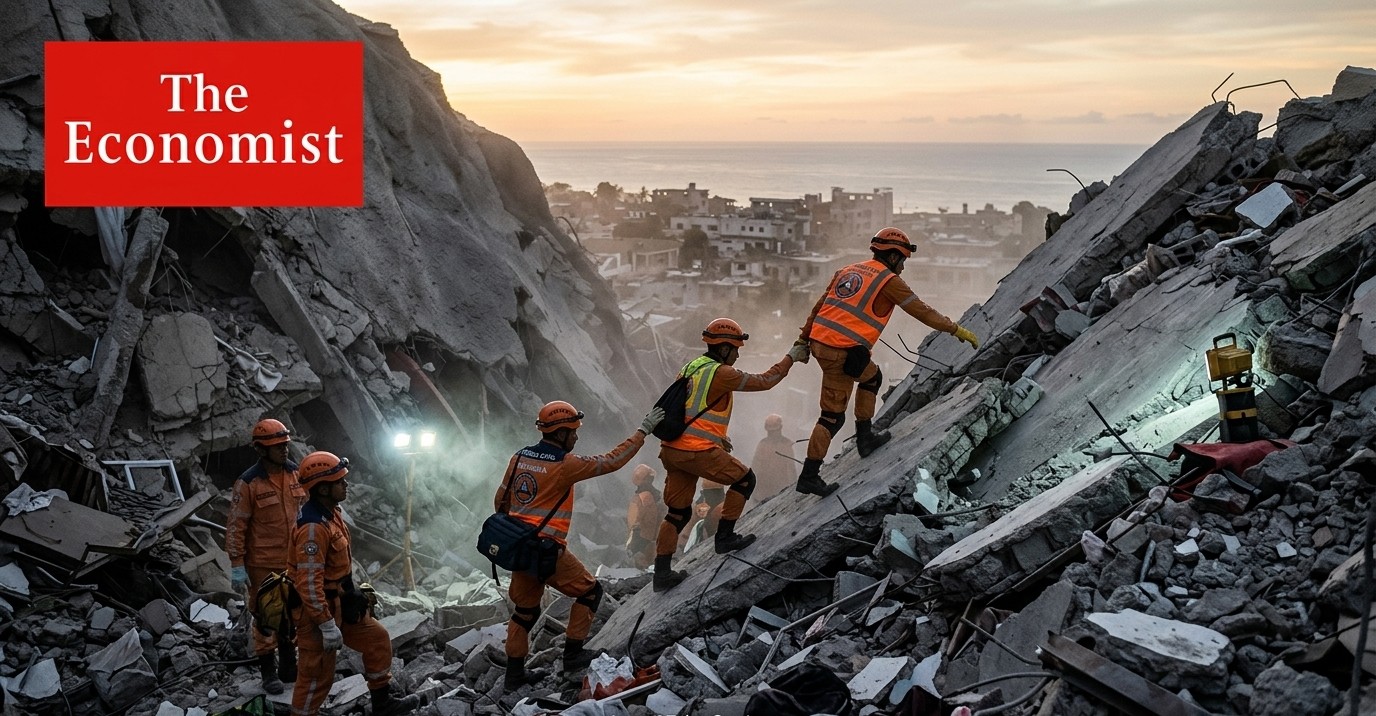
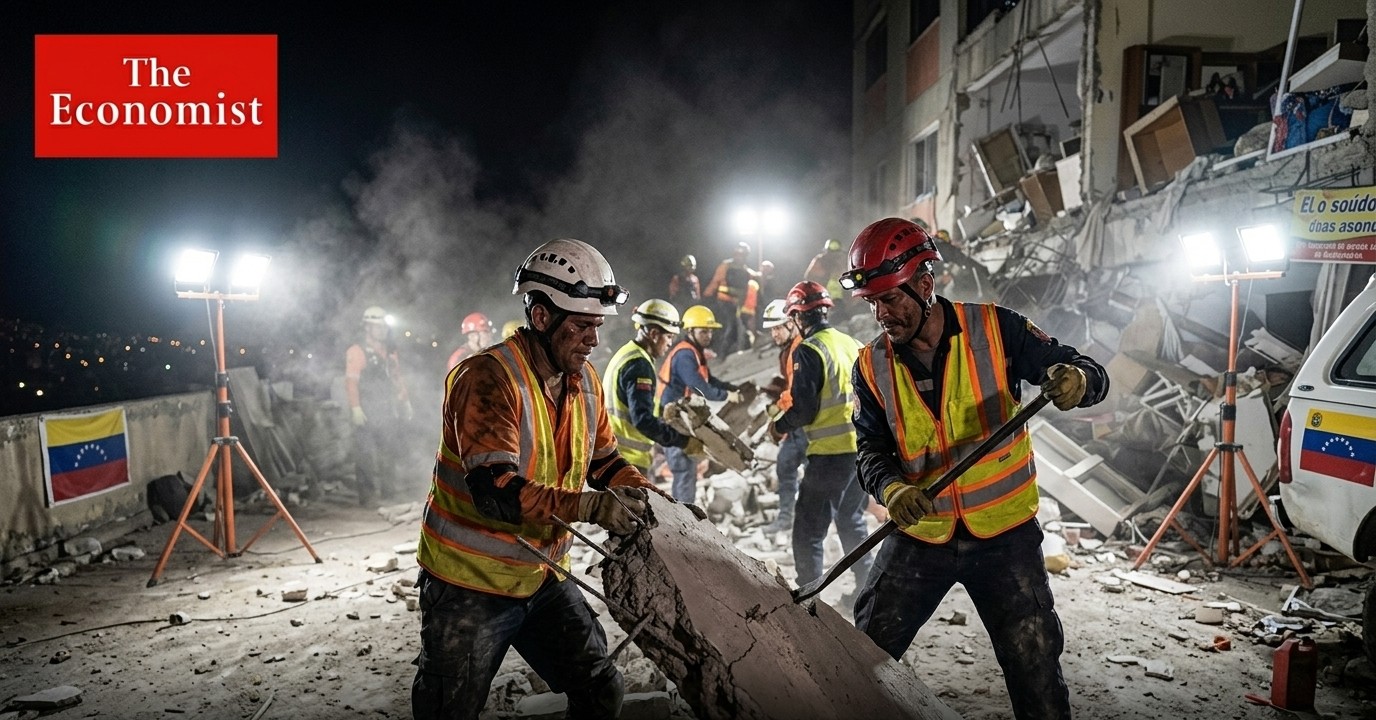
By the end of the first week, the death toll had risen to at least 37, with more than 20,000 people displaced from their homes. Emergency shelters were set up by government agencies and the Philippine Red Cross, which was one of the first organizations on the ground with assessment teams and relief supplies.
The Philippines' Office of Civil Defense coordinated the national response, and President Ferdinand Marcos Jr. declared a state of calamity in the affected provinces, unlocking emergency funds and speeding the deployment of national assets. International offers of assistance came from several countries, including Japan, which has its own deep experience with earthquake response.
For the people of Sarangani and General Santos, the road to recovery would be long.
Comments (0)
Please log in to post a comment.
No comments yet. Be the first!