
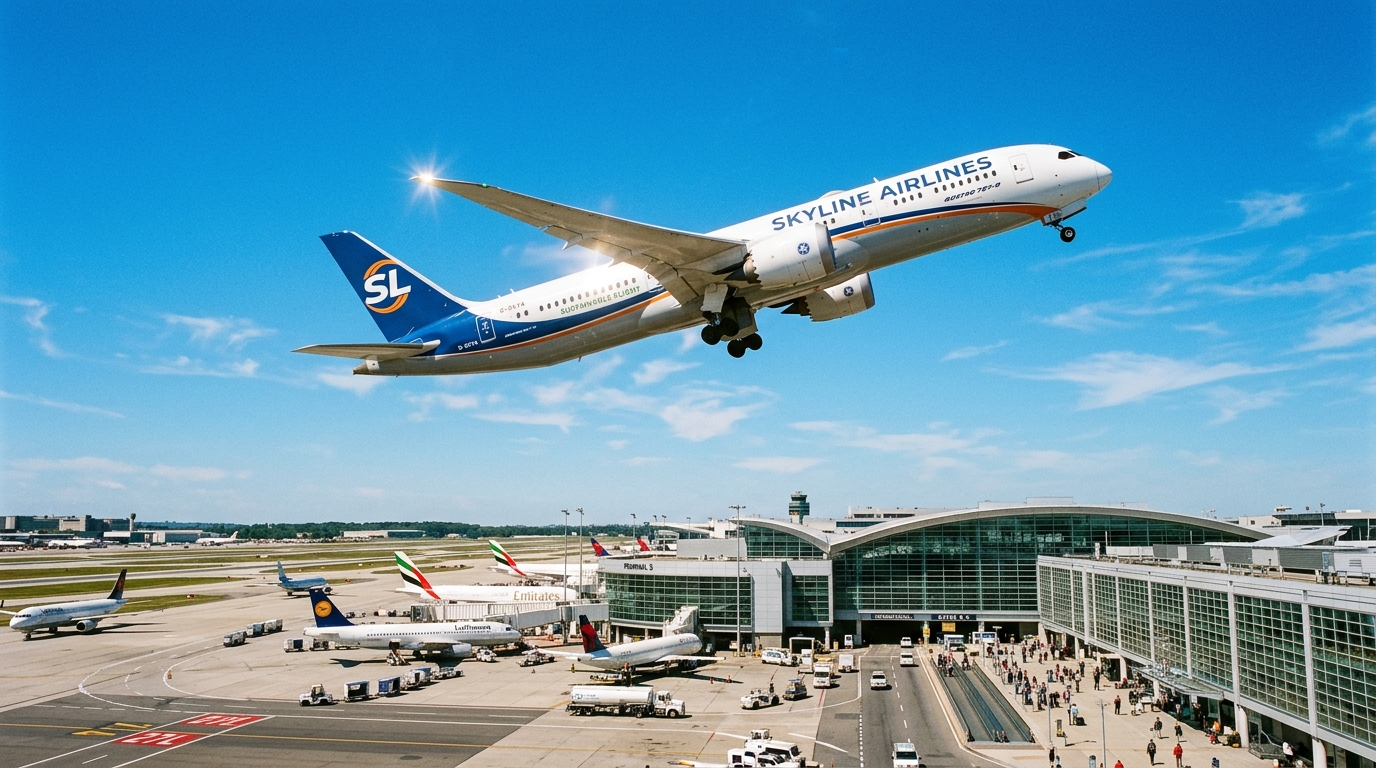
The detours that added hours to long-haul flights are finally coming off the schedule board.
International flight corridors are returning to their pre-crisis routing as commercial airlines roll back the emergency fuel surcharges introduced during the height of the Strait of Hormuz standoff. The shift follows the implementation this week of a direct communication channel between the US and Iran designed to record and de-escalate maritime violations, a mechanism aviation officials say has been enough to restore confidence in flight paths that had been diverted away from Gulf airspace during the worst of the conflict.
The disruption itself had been substantial. When fighting between the US and Iran escalated earlier this year, insurers and national aviation authorities pushed airlines to avoid flying directly over or near the strait, forcing longer routings between European and Asian hubs that added flight time and fuel burn to a significant share of long-haul traffic. Those added costs were passed through to passengers and cargo customers as temporary surcharges, a familiar pattern from past periods of Gulf airspace instability. With those surcharges now being removed, airlines say the change should translate into meaningfully lower fuel costs on affected routes, running into the millions of dollars daily across the industry, and shorter transit times for passengers connecting through the region.
The timing could hardly be better for travelers. The rollback is landing squarely in the middle of the northern hemisphere's summer holiday travel season, when Gulf and European hub airports see some of their heaviest annual passenger volumes. Airlines that had been absorbing or passing along elevated operating costs for months now have a path back to more predictable pricing and scheduling, a relief that both carriers and travelers have been waiting for since the conflict first disrupted routing patterns.
The return to normal, though, remains conditional rather than complete. Aviation officials have been careful to frame the shift as tracking "technical progress" in the underlying US-Iran negotiations rather than a finalized resolution, language that echoes how diplomats themselves have described the fragile ceasefire. Airlines and their insurers are watching the same indicators that shipping and oil markets are watching: whether the new breach-reporting channel actually prevents a repeat of the strikes that briefly threatened to collapse the ceasefire at the end of June, and whether the broader Hormuz toll dispute between Washington and Tehran gets resolved once negotiators reconvene after Iran's funeral processions conclude on July 9. Until then, the rollback in flight paths and surcharges reflects cautious optimism rather than a settled outcome.

Comments (0)
Please log in to post a comment.
No comments yet. Be the first!