
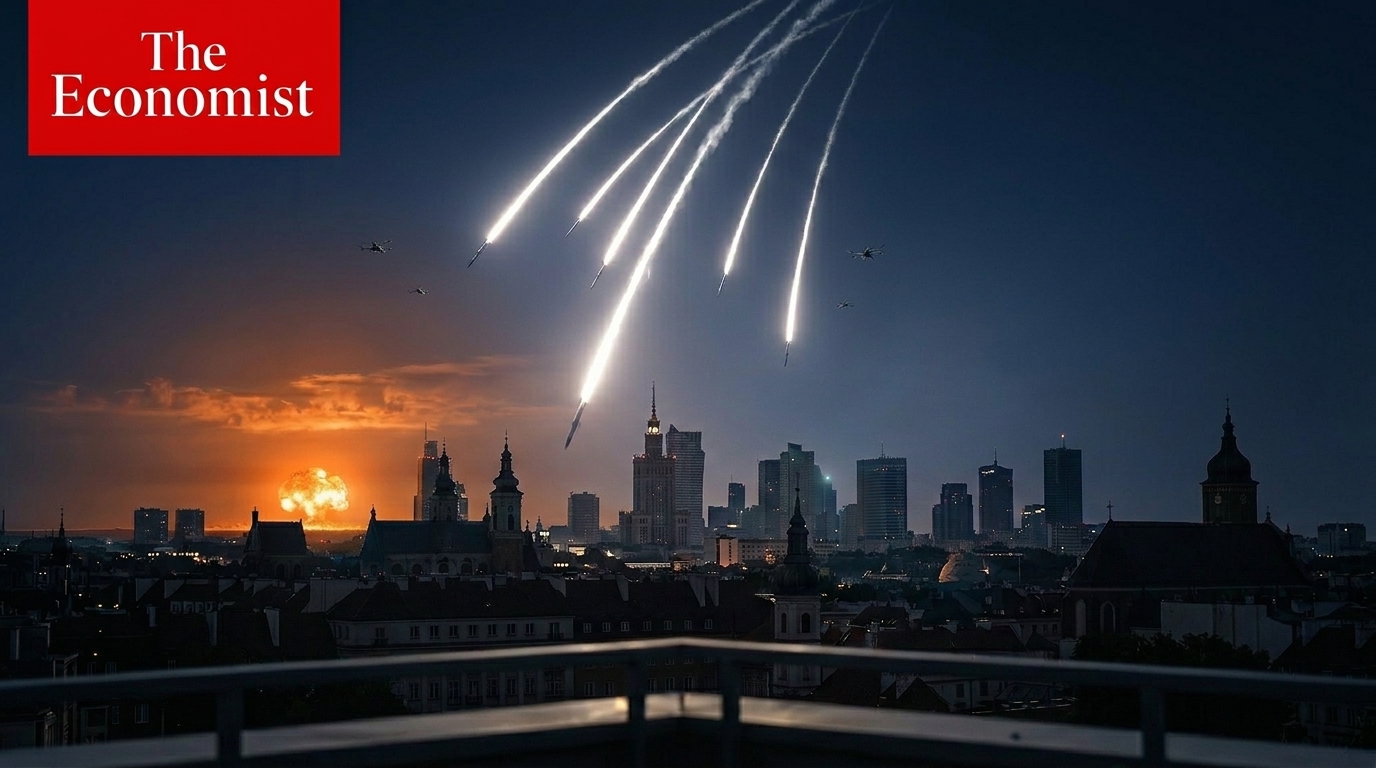
The ceasefire that had held since April had always been fragile. But the events of the night of June 7-8, 2026 showed just how quickly it could unravel when the underlying tensions spiked.
In the hours after midnight, Iran launched a wave of missiles and drones at Israeli military targets. Israel's air defense systems — including the Iron Dome, David's Sling, and Arrow systems — worked overtime to intercept incoming projectiles. Some got through. Israeli military installations were struck. There were casualties.
Israel struck back. Iranian military infrastructure came under attack from Israeli aircraft and missiles. Air raid sirens sounded across Iranian cities near military zones. Civilians fled to shelters. Iran's airspace was declared restricted, and commercial flights were suspended or diverted.
By dawn, both sides appeared exhausted. Iran announced it was suspending operations, but attached a condition: if Israel continued to strike targets in southern Lebanon — which it had been doing throughout the fragile April ceasefire — Iran reserved the right to resume attacks. This was the "new equation" that Israeli Prime Minister Benjamin Netanyahu later accused Tehran of trying to create: linking the conflict in Lebanon directly to any deal between Iran and Israel.
Israel's response was careful. Netanyahu said Israel had "halted attacks on Iran." He did not use the word ceasefire. He did not acknowledge any agreement. He accused Iran of violating the April ceasefire by firing missiles, while simultaneously making clear that Israel was also stopping its own strikes — for now.
The United States worked furiously through diplomatic channels to prevent the exchange from becoming a full resumption of war. Trump, characteristically, claimed credit for the de-escalation while threatening severe consequences if Iran continued.
Both countries faced genuine costs from the escalation. Iran's air defenses had been tested again and found wanting in some areas. Israeli towns and military bases had absorbed strikes. Global oil markets reacted sharply, and the stock markets of several countries fell on fears of renewed conflict. Airlines rerouted flights away from the region.
Most importantly, the exchange demonstrated that the April ceasefire had not actually resolved anything. It had merely paused the conflict. The fundamental issues — Iran's nuclear program, Israel's security demands, Hezbollah's presence in Lebanon — remained as live as ever. The guns were quiet again, but the fuses had not been removed.
Comments (0)
Please log in to post a comment.
No comments yet. Be the first!