
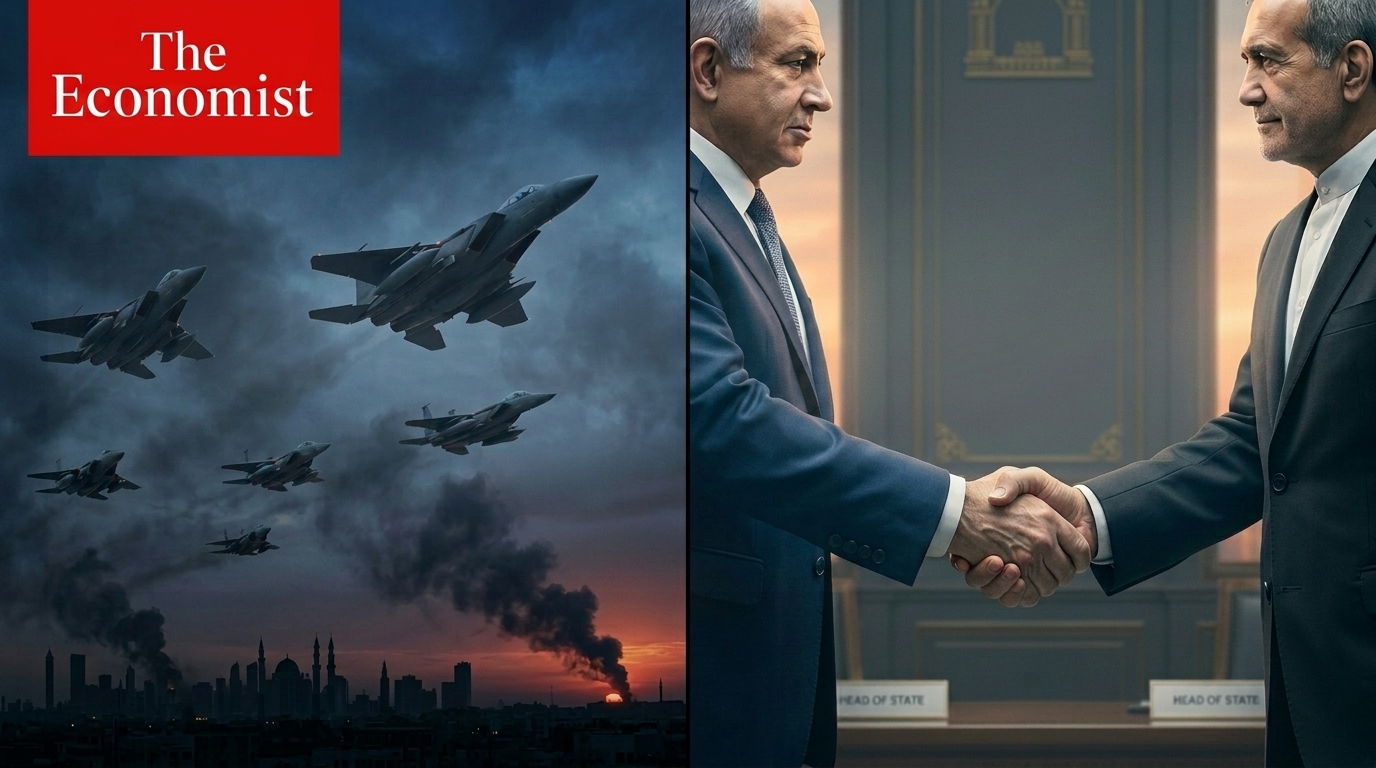
When the guns fell silent in late April 2026, the world breathed a collective sigh of relief. After months of escalating strikes, missile exchanges, and rising casualties, Israel and Iran had — with heavy American mediation — agreed to a ceasefire. But peace in the Middle East has a way of being short-lived, and June 2026 proved that point brutally.
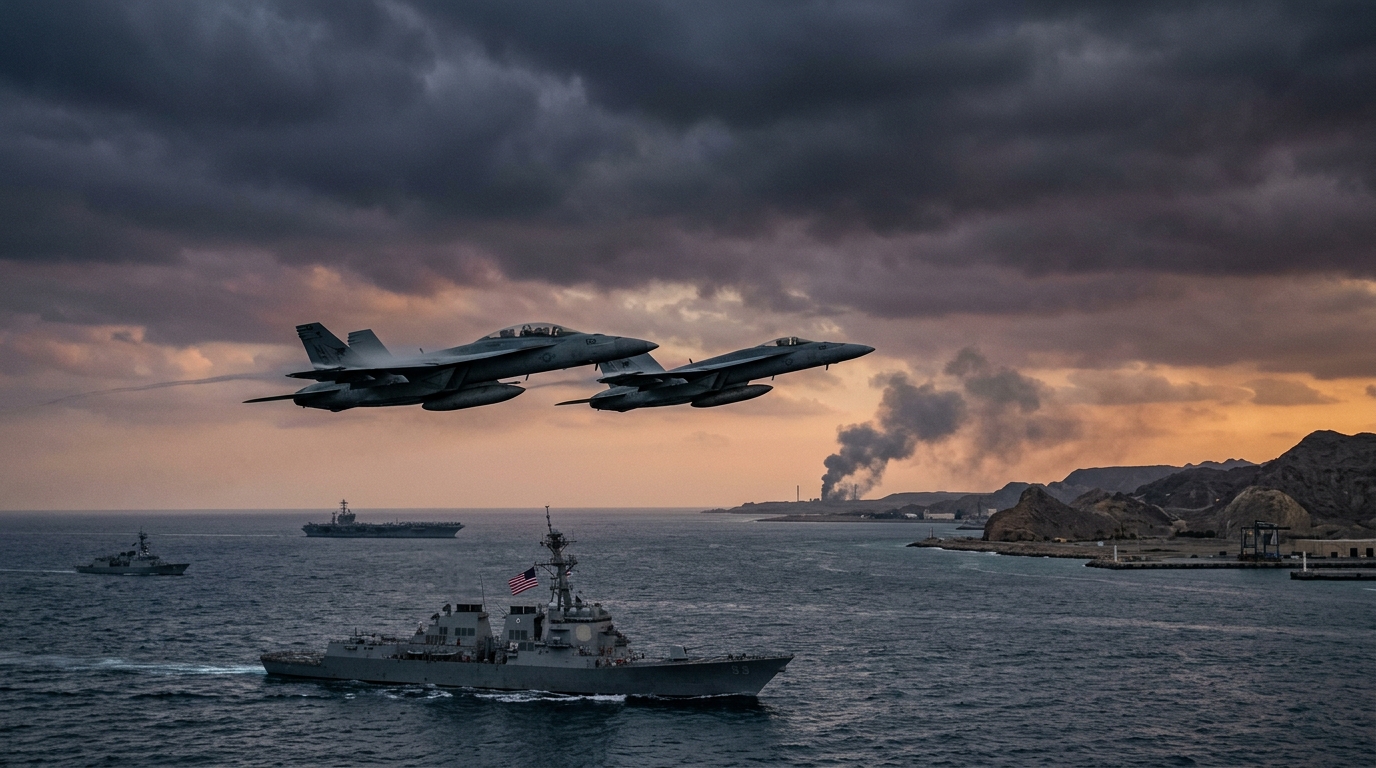
The April ceasefire came after what many analysts called a "40-day war" — a series of sustained military exchanges between Israel and Iran that began in early March. Israel launched targeted strikes on Iranian nuclear facilities and military infrastructure, while Iran responded with waves of ballistic missiles and drone swarms aimed at Israeli cities and military bases. The United States, under President Donald Trump, backed Israel throughout but also worked quietly through Qatari and other Gulf mediators to broker a deal.
By the time both sides agreed to stand down, the human and material toll was significant. Iranian cities near military installations had sustained damage, Israeli air defense systems had been stretched thin, and oil markets had spiked to record levels as fears of a wider regional conflict spooked traders worldwide.
But the ceasefire carried a built-in weakness from day one: it excluded Hezbollah, the Iranian-backed militia in southern Lebanon. While Iran and Israel agreed to stop hitting each other directly, Hezbollah continued its rocket and drone campaign into northern Israel, and Israel continued striking what it called Hezbollah targets in Lebanese territory.
By early June, the carefully stitched ceasefire was starting to unravel. On June 7 and 8, Israel and Iran exchanged their worst strikes since the April agreement — a sudden and jarring escalation that sent alarm signals through diplomatic circles worldwide. Iran fired missiles and drones at Israeli targets in response to Israeli attacks on Hezbollah positions in southern Lebanon, and Israel hit back with strikes on Iranian military installations.
Both sides then pulled back from the brink. Iran announced it was suspending its attacks but made clear the pause came with conditions: Israel had to stop hitting Lebanon. Israeli Prime Minister Benjamin Netanyahu, in a carefully worded statement, said Israel had "halted attacks on Iran" — but pointedly stopped short of using the word ceasefire. He accused Tehran of trying to create what he called a "new equation" by linking Lebanon to any deal.
What this all means is that the region remains on a knife's edge. The April ceasefire never truly ended the underlying conflict — it merely paused its most direct expression. The question of Iran's nuclear program, Hezbollah's presence in Lebanon, and Israel's security demands have not been resolved. They have only been deferred.
For ordinary people in Israel and Iran, the past few months have been exhausting. Air raid sirens, bomb shelters, disrupted flights, and economic disruption have become part of daily life. In Tehran, residents near military zones have had to relocate. In northern Israel, towns along the Lebanese border remain partially emptied, their residents reluctant to return while rockets can still fall.
The international community — particularly the United States, Qatar, and regional Arab states — continues to push for a comprehensive deal. But the gaps between the two sides remain enormous. Iran wants assurances that Israel will stop supporting what Tehran calls "aggression in Lebanon." Israel says it cannot accept a situation where Hezbollah can fire freely into its territory from the north. And in the background, the question of Iran's nuclear enrichment program — the original trigger for this whole cycle of escalation — has not gone away.
As of June 10, 2026, the guns are quiet again. But the silence feels fragile, held together by little more than exhaustion and the fear of what full-scale war would truly cost.
Comments (0)
Please log in to post a comment.
No comments yet. Be the first!