
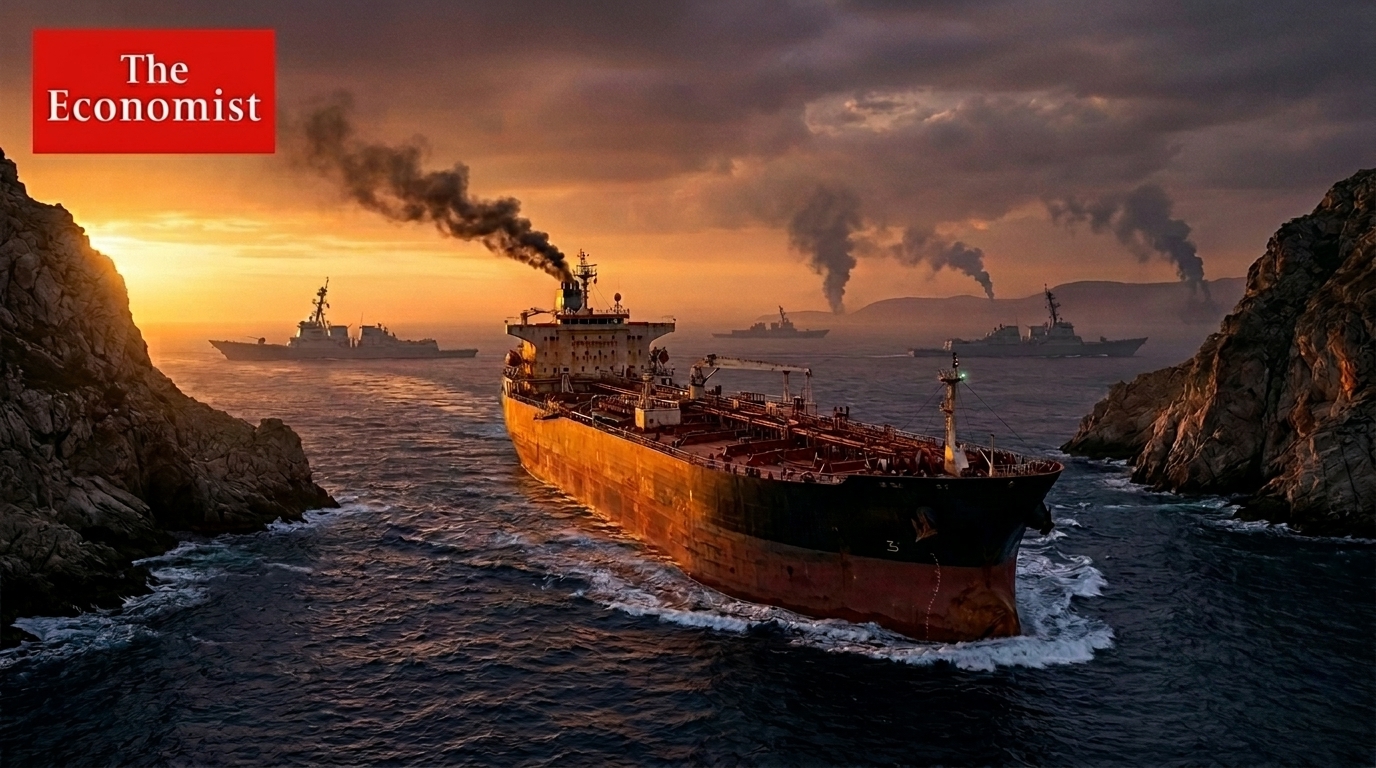
The Strait of Hormuz is only 21 miles wide at its narrowest point, but through that slender passage flows approximately 20 percent of the world's oil supply. When Iran moves to restrict or threaten traffic through the strait, the entire global economy takes notice.
In the ongoing conflict with the United States and Israel, Iran has used the threat of Hormuz restrictions as one of its most powerful leverage points. And by early June 2026, that leverage was being actively tested.
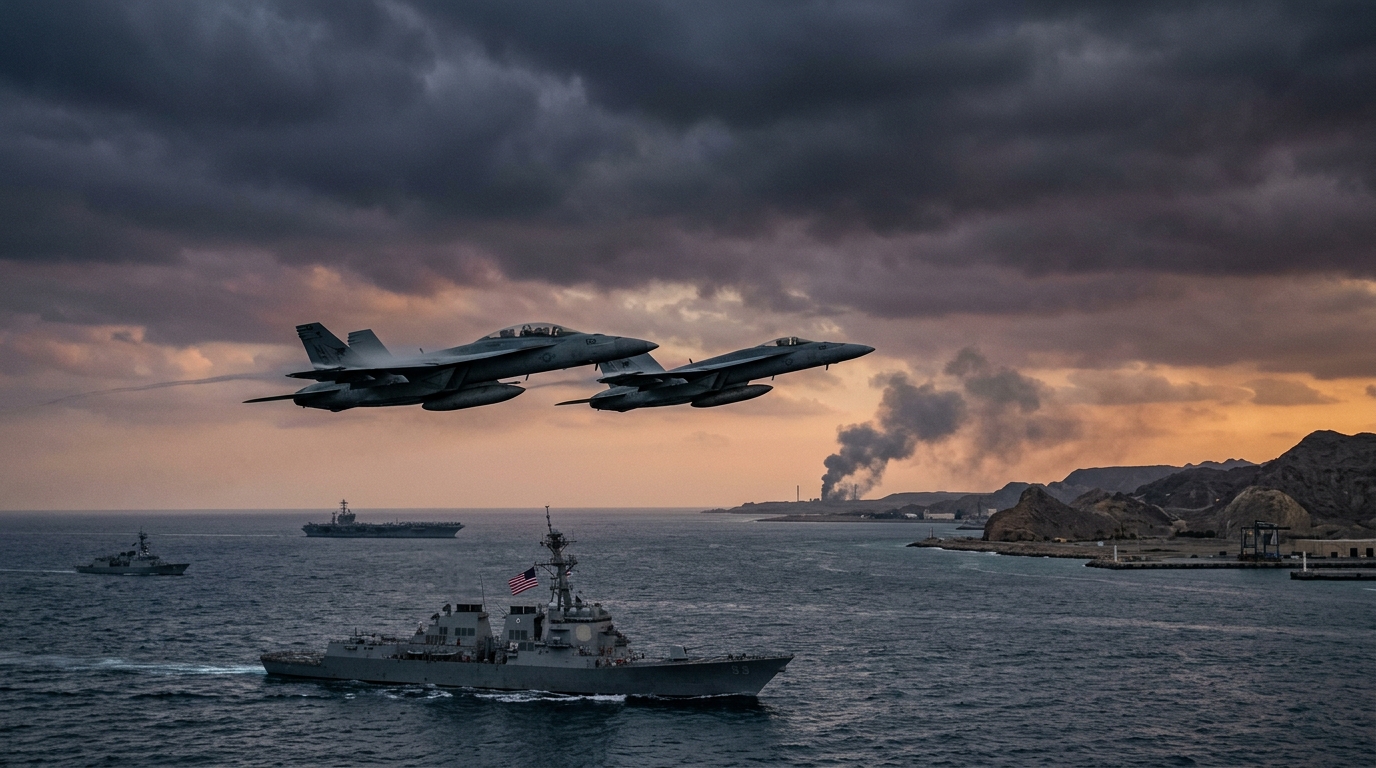
Iranian naval forces had been conducting what they described as "security operations" in and around the strait, which in practical terms meant increased inspections of vessels, the shadowing of oil tankers, and what several shipping companies described as aggressive interceptions. The US Navy's Fifth Fleet, operating out of Bahrain, was in a state of heightened readiness.
Iran made a calculated distinction: it allowed vessels from certain countries — Japan was specifically mentioned as receiving safe passage — while maintaining restrictions on what it considered hostile or Western-aligned shipping. This kind of selective enforcement served multiple purposes: it showed that Iran retained the ability to distinguish between states based on their positions in the conflict, and it signaled to Asian trading partners that their energy supplies did not have to be hostages to American policy.
For global energy markets, the situation was already showing up in prices. Oil had spiked significantly since the Iran-Israel conflict began in the spring, and concerns about Hormuz had amplified that move. Airlines, manufacturers, shipping companies — all faced rising fuel and freight costs that were filtering through into consumer prices.
The United States maintained that its naval blockade of Iran — which was the flip side of Iran's attempted restrictions — was legal and proportionate. President Trump's public communications on the issue were characteristically variable: at times threatening severe consequences for any attack on US vessels, at other times suggesting that the naval situation was under control and that ceasefire talks were progressing.
One incident in early June 2026 — a US military helicopter crash near the strait — briefly captured international attention. Trump quickly stated that the pilots were "fine," and the incident did not escalate. But it was a reminder of just how much military hardware was operating in an extremely confined space, and how easily an accident or miscalculation could escalate into something much worse.
The economic costs of Hormuz instability fall disproportionately on the world's poorer nations, which have less capacity to absorb energy price shocks. For the countries of sub-Saharan Africa, South Asia, and parts of Latin America already struggling with debt and inflation, the ripple effects of a Middle East conflict thousands of miles away can be devastating.


Comments (0)
Please log in to post a comment.
No comments yet. Be the first!