
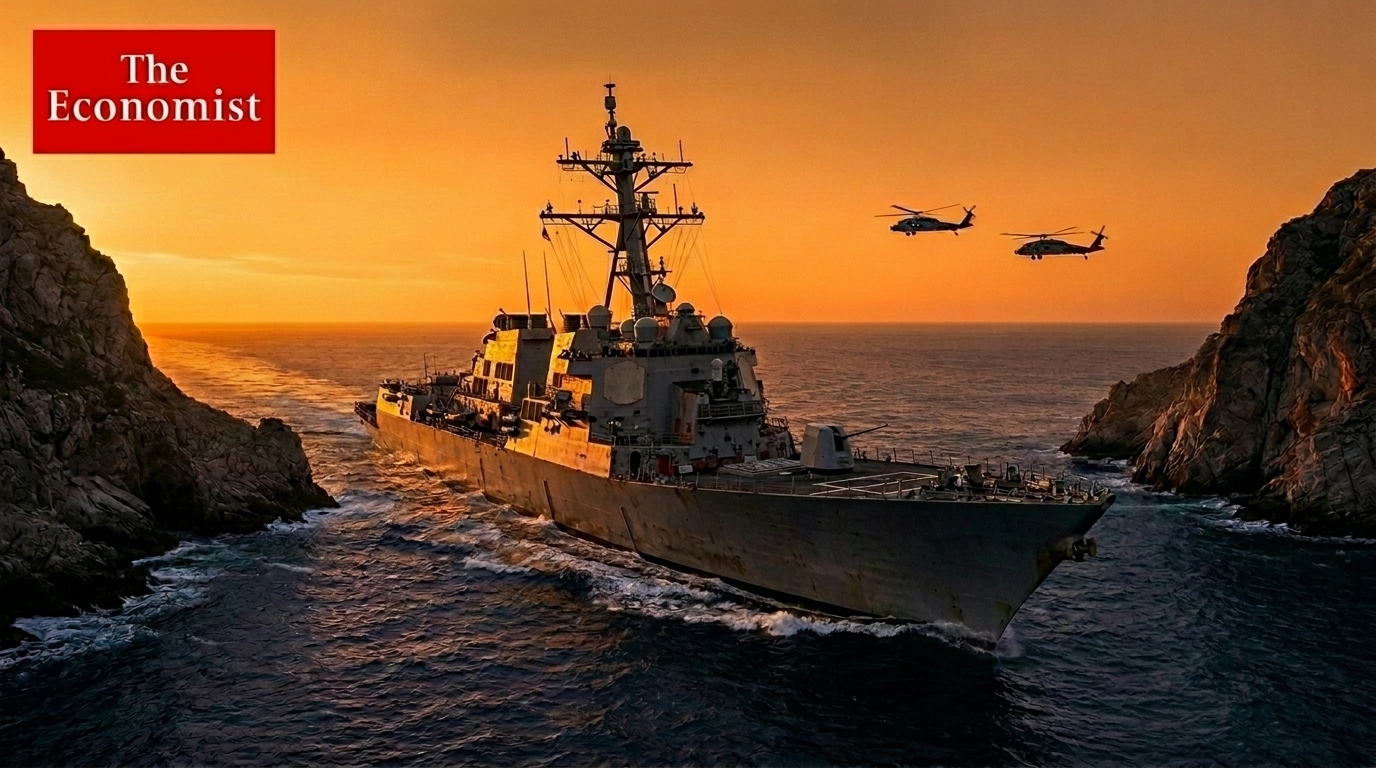
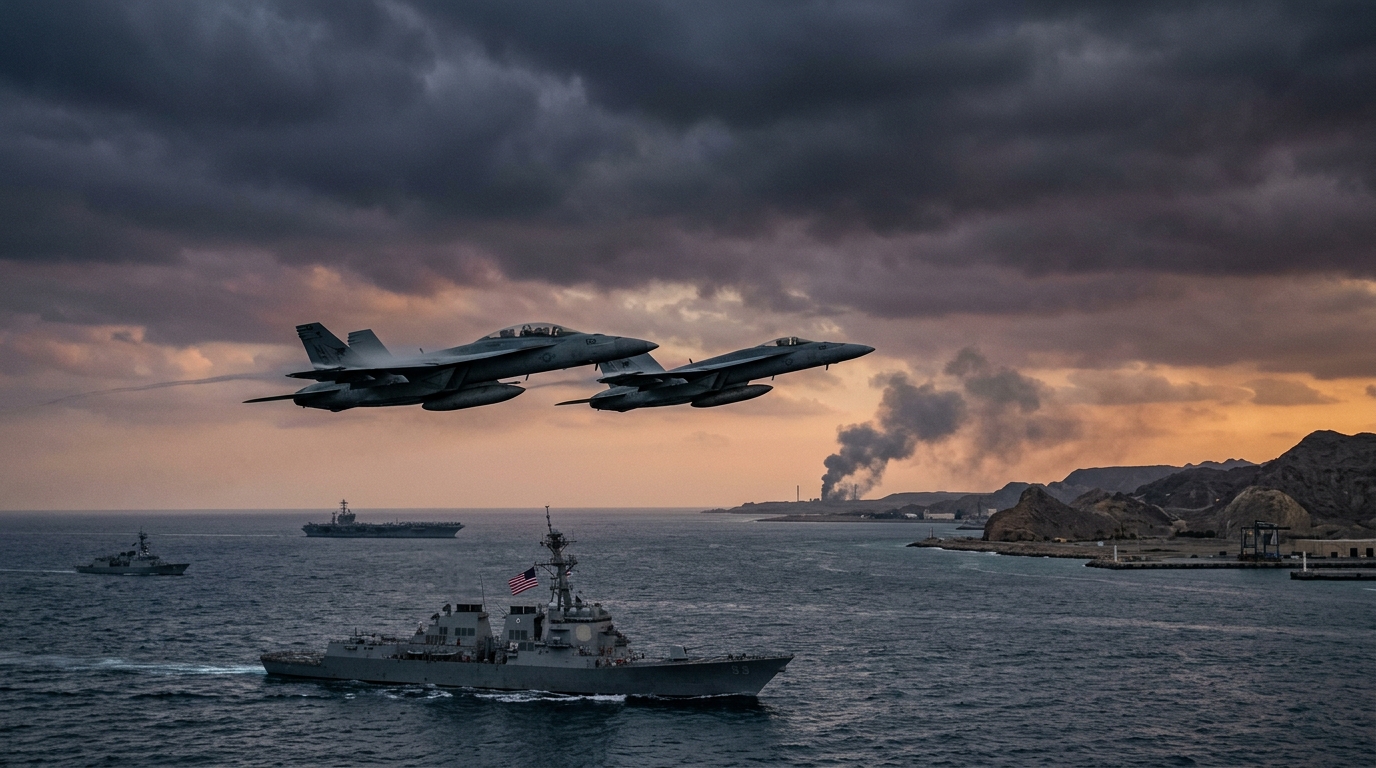
The Persian Gulf in early June 2026 was one of the most militarily congested bodies of water on earth. American carrier groups, Iranian Revolutionary Guard Corps naval units, commercial tankers under various flags, and the naval vessels of multiple regional states all shared waters made treacherous not just by geography but by the political storm overhead.
On June 2 and 3, that situation became even more dangerous. Iranian naval forces claimed to have targeted a US Central Command facility in an action they described as retaliation for previous American strikes. CENTCOM — the US military command responsible for the Middle East — flatly denied that any of its facilities had been struck, and the Pentagon offered satellite imagery it said disproved the Iranian claim.
The fog of war, as it so often does, made it impossible to definitively establish the truth from the outside. What was clear was that Iranian and American forces were operating in close proximity and that some form of direct military interaction had occurred. Whether missiles were fired, whether they hit anything, and what the precise targets were remained disputed.
President Trump's public response was vintage Trump: simultaneously threatening and conciliatory. He suggested that any attack on American forces would be met with an overwhelming response. In the same breath, he maintained that ceasefire negotiations between the US and Iran were continuing and were, in his telling, going "very well."
This duality — hard rhetoric combined with continued diplomatic engagement — has characterized the Trump administration's approach to Iran throughout the conflict. Critics have argued that the mixed messages undermine American credibility and encourage Iranian risk-taking. Supporters contend that maintaining a credible threat of force while pursuing diplomacy is exactly the right approach.
Secretary of State Marco Rubio appeared before the House Foreign Affairs Committee during this period for what became a notably contentious hearing. Rubio was grilled on multiple fronts: on the administration's strategy in Iran, on the situation in Lebanon, and — in a sign of just how unusual the political moment was — on questions about President Trump's fitness for office. The hearing, described by reporters as repeatedly heated, revealed the depth of congressional anxiety about the direction of American foreign policy in the Middle East.
For the sailors and pilots on both the American and Iranian sides operating in those waters, the political debate in Washington was probably less urgent than the immediate tactical reality: they were in a confined body of water, with opposing militaries in close proximity, in a conflict without clearly defined rules of engagement, where a mistake — or a deliberate escalation by a commander in the field — could trigger consequences that neither side's leadership had authorized.
Comments (0)
Please log in to post a comment.
No comments yet. Be the first!