
In a dramatic escalation of tensions in the Middle East, the fragile ceasefire between the United States and Iran has collapsed, raising fresh concerns about the future of regional stability. The truce, which had held for just over three weeks, came to an end following a series of aggressive actions by both countries, particularly in the strategically important Strait of Hormuz.
On July 8, 2026, U.S. President Donald Trump declared that the ceasefire with Iran was "over" following renewed attacks in the region. Speaking at the NATO summit in Ankara, Turkey, Trump stated, "I think it's over. I don't want to deal with them anymore. They're scum."
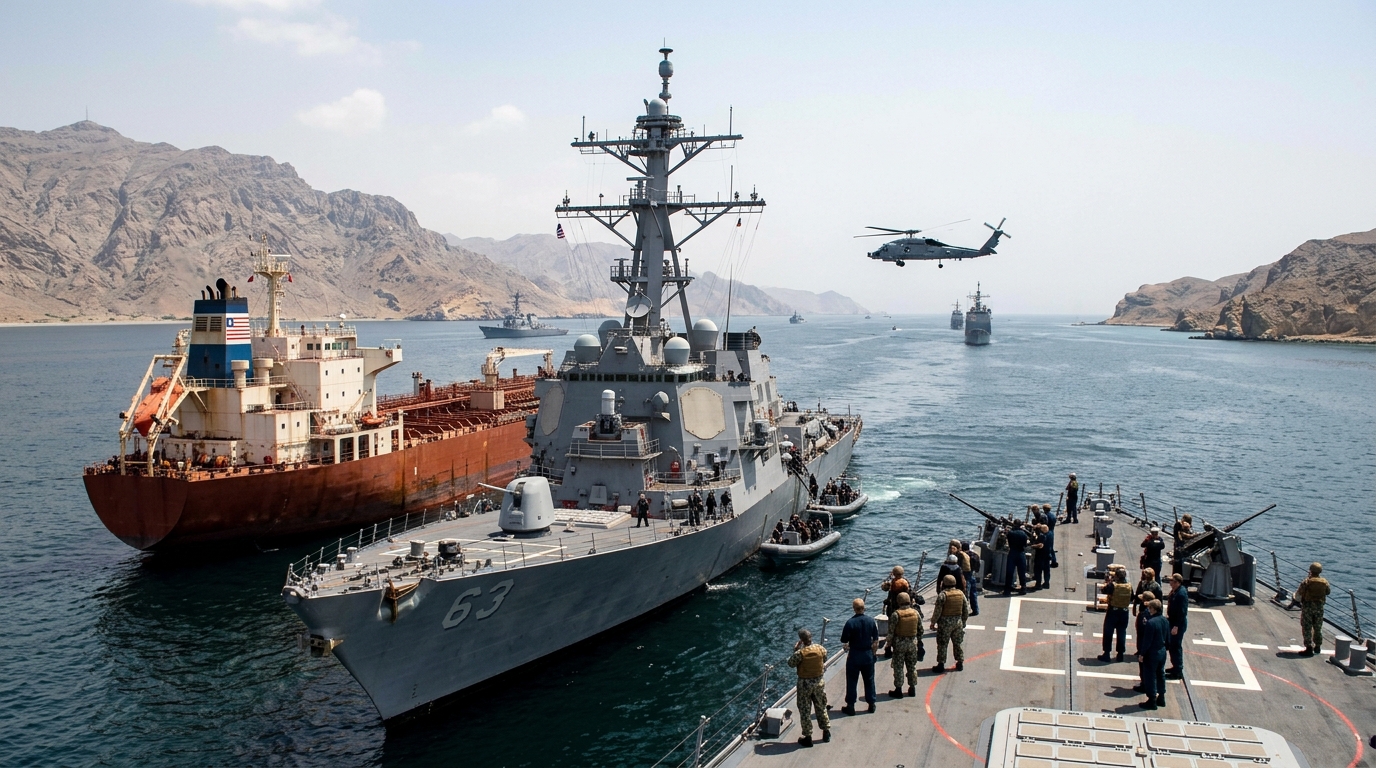
His remarks came after a series of military exchanges between U.S. and Iranian forces, including attacks on commercial vessels in the Strait of Hormuz.
In response, the U.S. military launched airstrikes targeting Iranian air defense systems, radar installations, and Revolutionary Guard boats. Iran's Islamic Revolutionary Guard Corps (IRGC) retaliated by carrying out missile and drone strikes on U.S. military bases in Kuwait and Bahrain. These developments have significantly heightened fears of a broader regional conflict.
The renewed hostilities have had immediate economic consequences. On July 8, 2026, the Dow Jones Industrial Average fell 577 points, or 1.1%, to 52,348 as geopolitical tensions in the Strait of Hormuz intensified.
Investors remain particularly concerned about the possibility of further disruptions to global oil supplies, as the Strait of Hormuz serves as one of the world's most critical chokepoints for oil transportation. Reflecting these concerns, crude oil prices rose 5.2% to $74.09 per barrel.
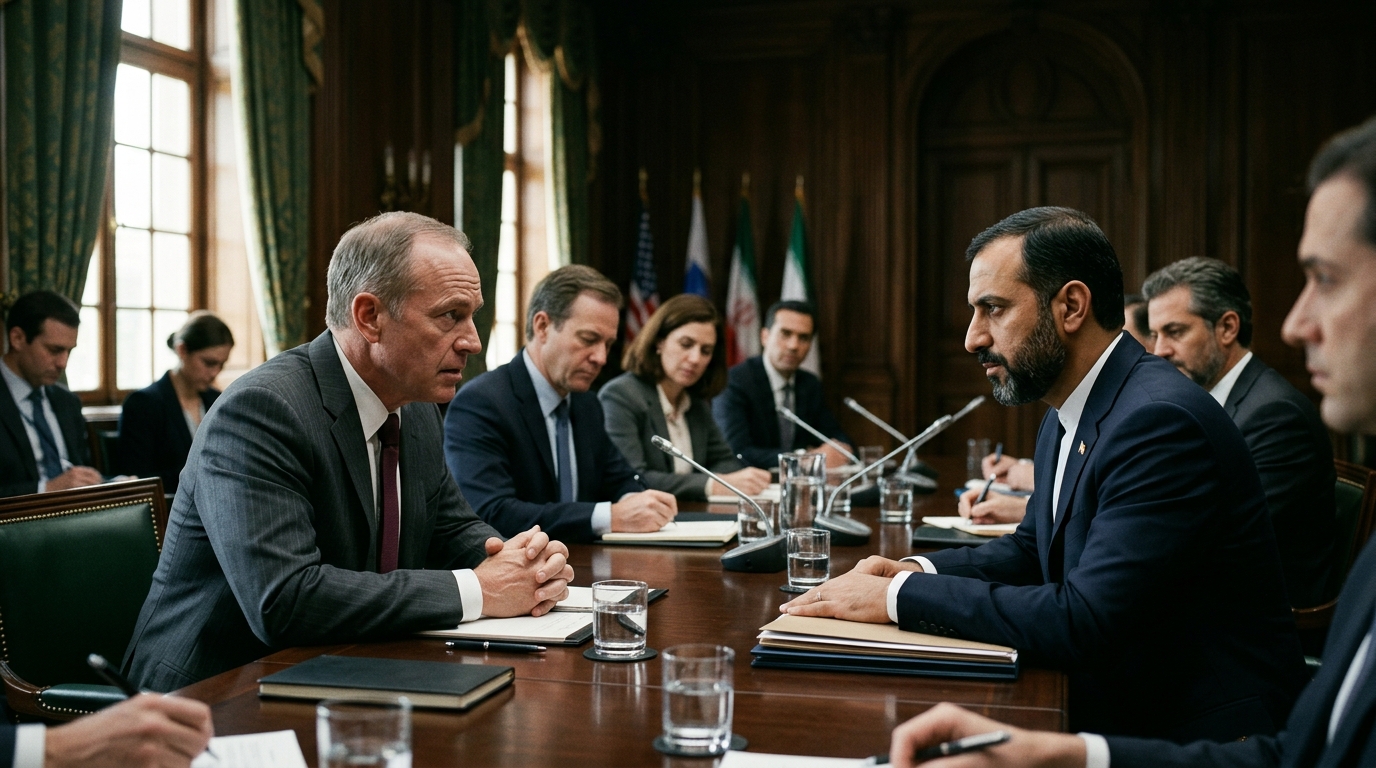
Despite the collapse of the ceasefire, diplomatic efforts are continuing. The United States and Iran have agreed to resume talks, with the next meeting scheduled after the funeral of Iran's former Supreme Leader, Ayatollah Ali Khamenei.
However, trust between the two nations remains low, and the path toward a lasting agreement continues to face significant challenges.
The international community is closely monitoring the situation. European leaders have expressed concern over the worsening security environment and its potential impact on global stability.
The United Nations has called for restraint and urged both sides to return to negotiations in an effort to prevent further escalation.
The collapse of the U.S.-Iran ceasefire marks a critical turning point in Middle East relations. The resumption of hostilities, coupled with ongoing diplomatic efforts, signals a complex and uncertain period ahead. The response of the international community, along with the actions taken by both nations, will play a crucial role in shaping the future course of the region.

Comments (0)
Please log in to post a comment.
No comments yet. Be the first!