
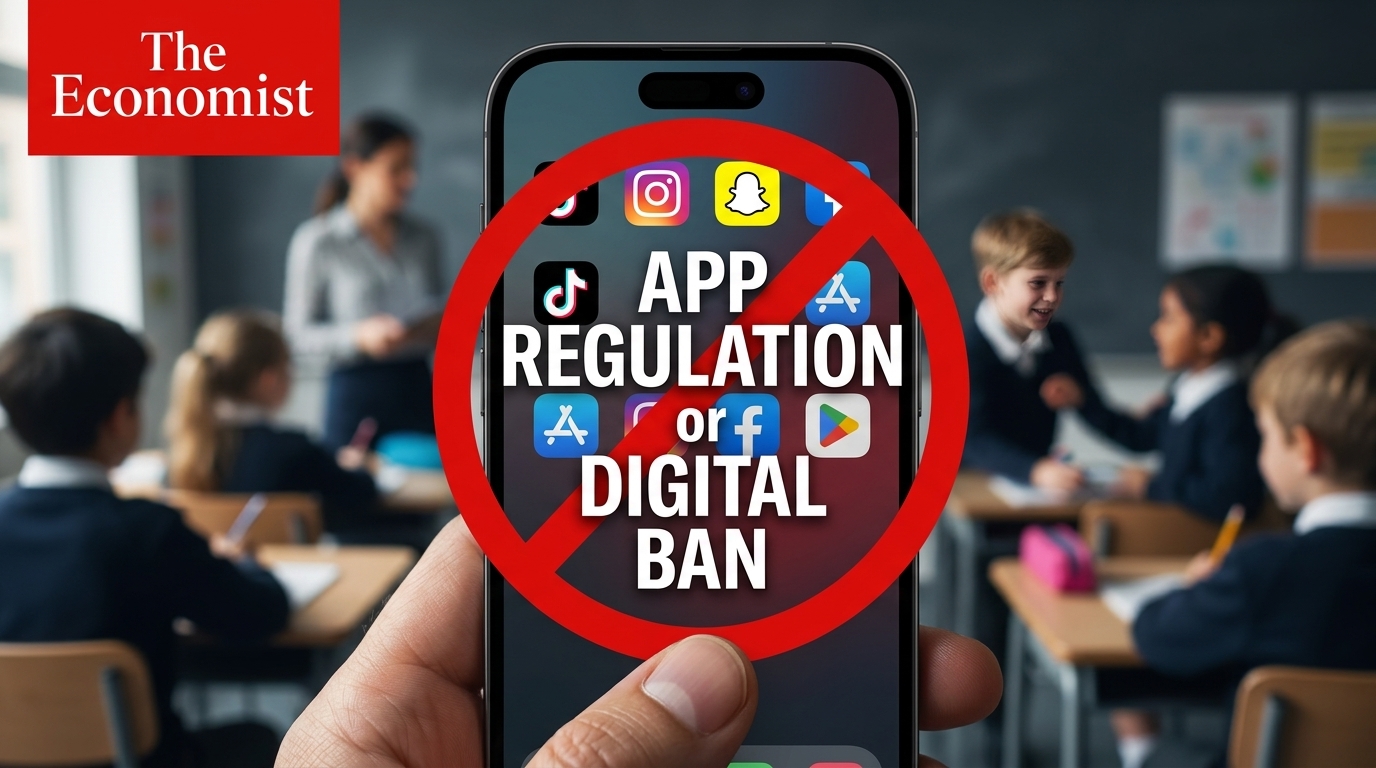
Starting June 1, 2026, children under the age of 16 in Malaysia can no longer legally access social media platforms. The ban, which had been passed into law months earlier, formally came into effect on that day — and with it came teeth: companies that fail to comply face fines of up to 10 million ringgit, equivalent to roughly US$2.5 million.
Malaysia joins a small but growing group of countries pushing back hard against the effects of social media on young people. Australia passed a similar law in late 2024, and several European countries have been debating comparable restrictions. But Malaysia's move is notable in its speed, scope, and the size of the penalties attached to it.
The law puts the responsibility for enforcement squarely on the shoulders of platform operators — companies like Meta (which runs Facebook and Instagram), ByteDance (TikTok), and others. They are required to implement age verification systems robust enough to identify and block underage users. Critics have pointed out that effective age verification is notoriously difficult to implement without collecting significant amounts of personal data, which raises its own privacy concerns.
Supporters of the ban argue it is long overdue. Youth mental health advocates in Malaysia have been raising alarms for years about the links between heavy social media use and depression, anxiety, cyberbullying, and exposure to harmful content among teenagers. Research studies from multiple countries have shown that young people — particularly girls — who spend significant time on social media platforms report higher rates of negative self-image and emotional distress.
Malaysia's government has framed the ban primarily as a child protection measure, but it also fits into a broader global conversation about the responsibility tech companies bear for the environments they create. Critics of major social media platforms have long argued that their algorithms are deliberately designed to maximize engagement — including for young, developing minds — in ways that can be genuinely harmful.
The tech industry, predictably, has pushed back. Industry groups have argued that the law will be difficult to enforce effectively, that it could push teenagers to use unregulated or less safe alternatives, and that it risks depriving young people of educational and social benefits that these platforms also provide. Some platforms have pledged cooperation while lobbying behind the scenes for softer implementation guidelines.
For parents and schools in Malaysia, the law is a welcome change — though many remain realistic about its limitations. Teenagers are resourceful, and there is widespread expectation that many will find ways around age verification through VPNs, fake accounts created with a parent's or older sibling's details, or by simply switching to platforms that are slower to comply.
What the Malaysian law does represent, regardless of its practical enforcement challenges, is a clear statement of intent: that governments are no longer willing to simply leave decisions about children's online lives entirely to Silicon Valley. The question now is whether the platforms will take that message seriously enough to genuinely act.


Comments (0)
Please log in to post a comment.
No comments yet. Be the first!